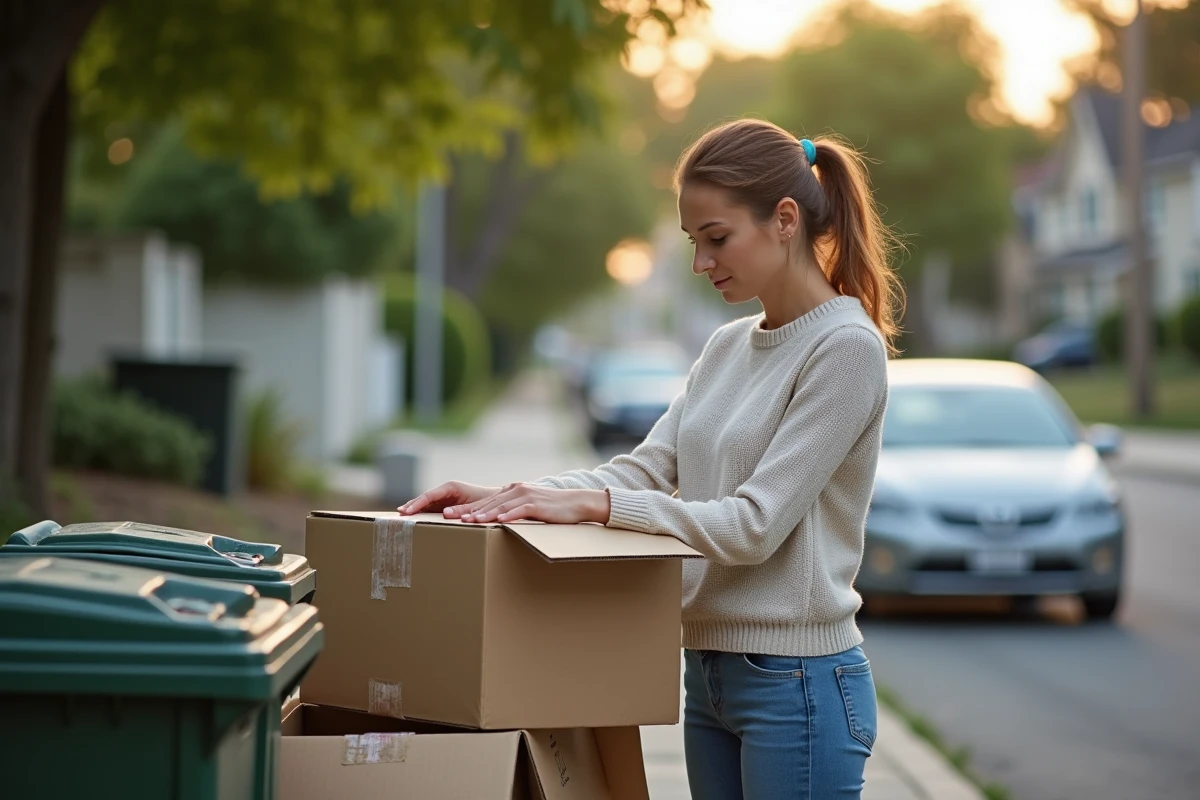
Three tons. This is, on average, the weight of Ikea boxes that pass through the corridors of major cities each week during moving season. Yet, no dedicated system takes over for their recycling. Sorting rules vary from one district to another; some municipalities refuse boxes saturated with tape, while others require them to be perfectly folded. As for collection points, they often impose volume restrictions or inconvenient hours.
However, there are concrete ways to lighten the ecological impact of these bulky packages and simplify their management after a move. Focusing on reuse, relying on local networks, and adopting a few effective practices are all avenues for better recycling, reducing waste, and giving a second life to these mountains of cardboard.
Where to find and how to collect Ikea moving boxes for free or at a low cost?
In Paris as well as in the provinces, obtaining reliable moving boxes without breaking the bank can sometimes feel like an obstacle course. On Ikea’s side, free recovery is never guaranteed, even if the daily ballet of trucks and customers generates impressive stocks.
To get your hands on these packages without compromising on value for money, several options are available to you:
- Speak directly to the staff in-store: some employees are willing to set aside free moving boxes from recent deliveries.
- Join local donation or exchange groups: many individuals offer their boxes after use, often without any compensation.
- Look for occasional collections organized during peak moving times, particularly in the summer in Paris.
Opting for the recovery of Ikea moving boxes means rejecting the systematic purchase of new ones and extending the life of materials. This reuse logic, a cornerstone of the circular economy, reduces waste production and proves unbeatable on the budget side. To explore the question of where to recycle Ikea moving boxes in more detail, specialized resources such as the file “Recover and Recycle: Tips for Easily Disposing of Ikea Boxes – Maisons Alternatives” offer concrete suggestions. Sharing these packages among neighbors or colleagues optimizes the management of quality moving boxes and strengthens local solidarity.
Eco-friendly moving: what solutions to recycle or reuse your Ikea boxes?
Adopting a sustainable lifestyle also involves rethinking the fate of the moving box. Instead of relegating them to waste, give them a second life. Several alternatives are worth considering, each contributing to waste reduction and the circular economy.
Start by checking the condition of your boxes. If the corners are holding up and the structure remains solid, offer them to your neighbors, a charity, or on a local platform. This circulation extends the use of the packages and lessens the environmental impact associated with the production of new boxes.
When the boxes are too damaged, direct them to recycling channels. Bring them to municipal centers after removing tape and plastic labels. Some sites accept large volumes of quality moving boxes, provided they are clean and dry.
You can also repurpose these packages from their original use: storage solutions, protective mats during renovations, supports for crafts with children… These simple actions embed zero waste into daily life, at the intersection of functionality and respect for the environment.
Practical tips for organizing a calm and responsible move
Plan ahead, sort, protect
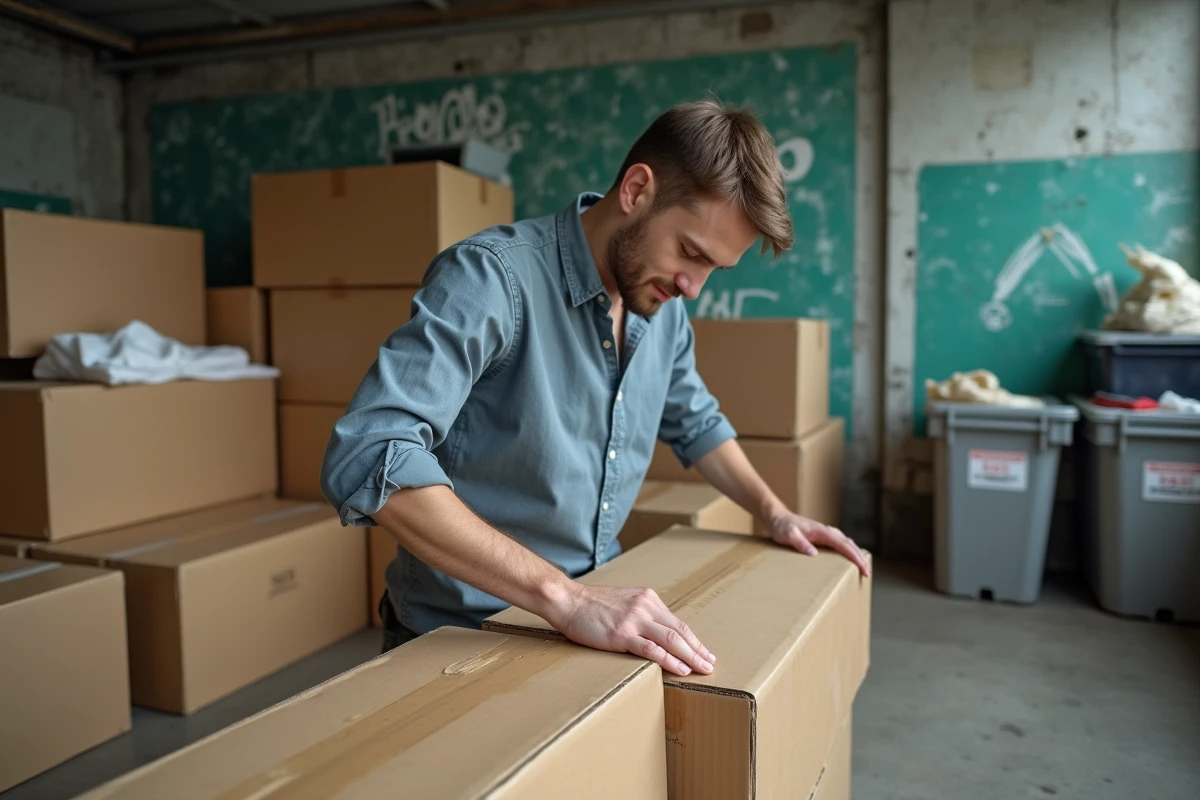
To approach a move without unnecessary stress, it’s best to plan everything. A moving checklist will help ensure nothing is left to chance. Gather in advance bubble wrap, kraft paper, and tape: these three allies ensure the safety of your precious belongings. For each type of item, adapt the protection: bubble wrap for dishes, kraft paper for books, textiles to cushion shocks.
A few rules to follow make the job easier:
- Always place heavy items at the bottom of Ikea boxes; lighter ones on top to avoid crushing fragile items.
- Avoid overloading: even the sturdiest box has its limits.
- Clearly label each box with its contents and the destination room.
Optimize transport and recovery
The chosen vehicle should allow for the preservation of the boxes. Thoughtful stacking, without unnecessary pressure, helps keep the packages in good condition. During transport, secure the stacks with straps and limit sudden movements.
Upon arrival, carefully dismantle each moving box to offer them a new use or to recycle them easily. Plan a dry space to store boxes, bubble wrap, and tape for a future move or to help those around you. This organization limits waste creation and enhances the quality of the materials used.
In the end, the mountain of boxes may seem like a burden. However, when sorted, shared, or transformed, they become concrete proof that a move can also open the door to a more responsible way of consuming, and sometimes, more solidarity.