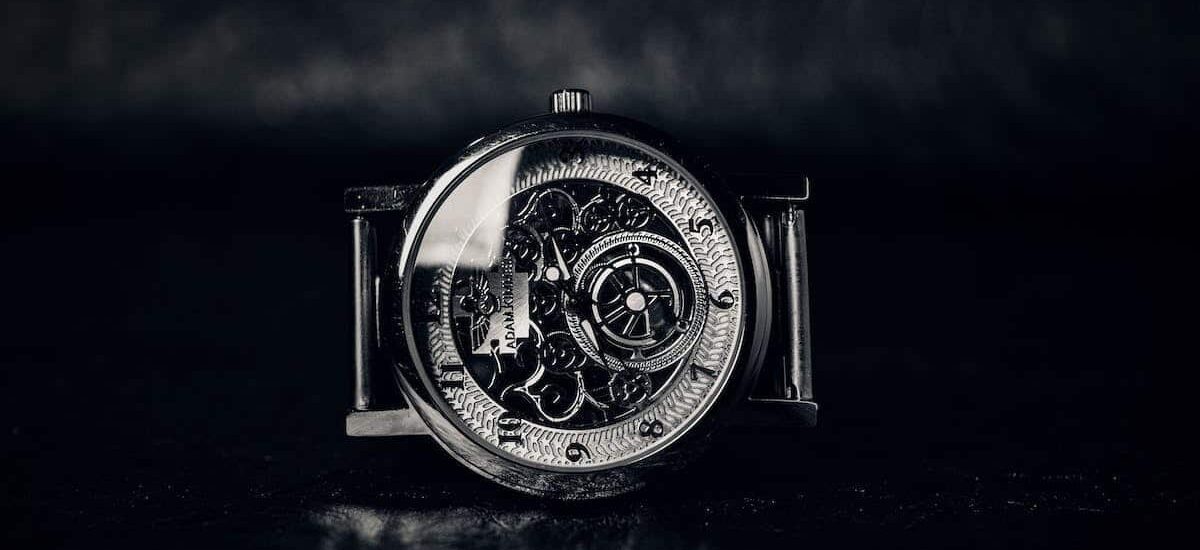
The world of luxury watches is a rich and complex universe that could be likened to art in its entirety. It is not only about telling time but also about history, craftsmanship, extreme precision, and sophisticated design. These elements make these watches objects of desire, worn like true jewels. However, their internal workings, meticulous manufacturing, and the precious materials that compose them often remain unknown. It is this part of mystery, subtle and fascinating, that we are about to unveil in this detailed exploration. Here is everything you need to know about the secrets of a luxury watch.
Luxury Watches: A Fascinating History
In the creation of luxury watches, materials play an essential role. They contribute to the aesthetics and durability of these exceptional pieces. Watchmaking houses use precious materials such as gold, platinum, and diamonds to bring their creations to life.
When it comes to women’s watches, Cartier is an iconic brand that continues to captivate with its elegant and timeless designs. The luxury women’s watch Cartier perfectly embodies the alliance of sophistication and femininity. It stands out with its rose gold or stainless steel bracelet adorned with sparkling diamonds. The delicately crafted dial serves as a setting for complex mechanical movements.
But the materials used in luxury watches go beyond mere visual appeal. Some special alloys are employed to enhance their scratch resistance, thus ensuring increased longevity. For example, some models incorporate titanium or forged carbon in their construction, providing lightness and robustness to these exceptional timepieces.
Exotic leather straps are also an integral part of high-end luxury watches for women. Skins such as alligator or lizard are meticulously selected and then treated with care to enhance their natural beauty while ensuring comfort and durability.
Beyond traditional materials, some brands push the boundaries of creativity by using innovative and avant-garde materials. For instance, Hublot has introduced the use of rubber in its luxury watches. This shock-resistant material offers unparalleled comfort and a modern aesthetic.
The combination of precious materials with complex artisanal techniques gives rise to watches that are true works of art on the wrist. The meticulousness and passion displayed by watchmakers in designing these unique pieces testify to the attention to detail that characterizes the world of high-end watchmaking.
The materials used in the creation of luxury watches play a crucial role in their appearance, durability, and performance. Whether it is gold, diamond, or even exotic leather, each material is carefully chosen to enhance these exceptional timepieces. A luxury women’s watch Cartier perfectly embodies this alliance of sophistication and timeless elegance. By wearing such a piece on your wrist, you not only showcase a horological work of art but also a symbol of exclusivity and ultimate refinement.

Exceptional Materials: Secrets of Luxury Watches
In the world of luxury watches, horological complications occupy a central place. These complex functionalities, often represented by additional hands and dials, add undeniable technical and aesthetic value to these exceptional timepieces.
One of the most iconic complications is the chronograph. This function allows for precise measurement of a given time interval through a system of pushers. Sports enthusiasts or pilots particularly appreciate this complication as it enables them to record their performances accurately.
Another highly sought-after complication in the watchmaking world is the rattrapante. Also known as ‘split-seconds’, it allows for the simultaneous measurement of two distinct durations. A concrete example would be during a race where you want to compare the intermediate times between two competitors.
Astronomical complications, on the other hand, offer a glimpse into our infinite universe. They include the perpetual calendar, which displays not only the hours, minutes, and seconds but also the date of the day and the current month, automatically accounting for leap years.
The minute repeater also represents a fascinating advancement in highly complex watchmaking. By activating a dedicated lever, this complication will emit a melodic sound to indicate the hours and/or quarters of an hour that have elapsed since the last full hour.
Tourbillon watches are considered the pinnacle of watchmaking craftsmanship. Invented in the 18th century to compensate for the effects of gravity on watch movement, the tourbillon is a mechanism that rotates the balance wheel cage, thus escaping the detrimental effects of Earth’s gravity. Tourbillon watches symbolize the expertise and technological excellence of a watchmaking manufacture.
Horological complications add an additional dimension to luxury watches. They reflect the technical and artistic expertise of master watchmakers who continually push the boundaries of innovation and precision. These complex functionalities are not only aesthetic but also demonstrate the constant concern to improve the performance and accuracy of highly sophisticated timepieces. By choosing a watch equipped with these complications, you opt for a unique piece, a true masterpiece that combines centuries-old tradition, bold creativity, and exceptional engineering.
Horological Complications: The Essence of Luxury Watches
The passion for luxury watches transcends borders and manifests through various iconic watchmakers, of which here are some of the most famous:
Patek Philippe: This Swiss brand embodies timeless elegance and horological heritage. Founded in 1839, Patek Philippe is renowned for its timepieces of rare technical complexity, crafted with unmatched precision. Each watch is considered a handcrafted masterpiece and represents the pinnacle of watchmaking expertise.
Audemars Piguet: Since its creation in 1875, Audemars Piguet has cultivated its independence and innovative spirit. It is notably credited with the creation of the first ultra-thin wristwatch in the early 20th century. The Royal Oak, launched in 1972, remains their iconic model: a true icon of sporty and elegant design.
Vacheron Constantin: Founded in 1755 in Geneva by Jean-Marc Vacheron, this manufacture is the oldest watchmaking house still active today. Renowned for its technical excellence and constant pursuit of refined aesthetics, Vacheron Constantin offers watches that blend centuries-old tradition with contemporary creativity.
Jacob