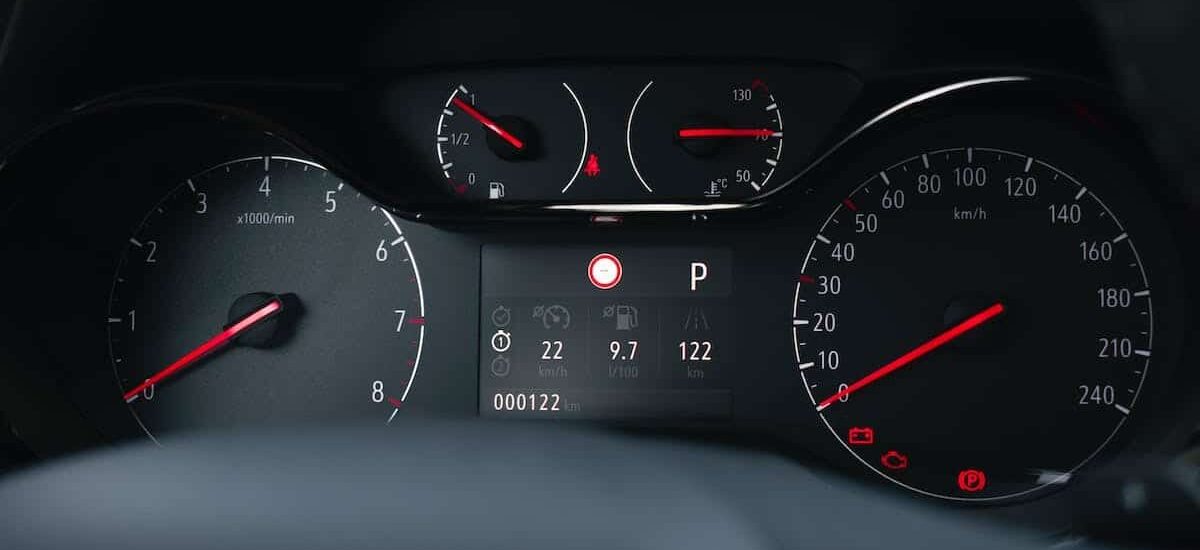
When talking about driving, one often overlooked aspect is the pollution warning light. This discreet light on the dashboard is not just for decoration. It signals a potential problem that could have serious consequences for the environment and the performance of your car. Driving with this light on poses risks and requires specific precautions. Yet, many drivers ignore these risks, inadvertently putting their vehicle, their wallet, and the environment in danger. The purpose of this work is to shed light on these issues and advise on the measures to take.
Automobile Pollution: From Origins to Impact on Health and Environment
The risks of driving with the pollution warning light on are numerous and should not be underestimated. Indeed, this light is an essential indicator of the proper functioning of your vehicle’s emission systems. When it lights up, it generally means that something is negatively affecting the efficiency of the pollution control system.
Driving with the pollution light on can lead to a series of technical problems for your vehicle. For example, it could indicate an issue with the exhaust system or the catalytic converter, which, if faulty, can cause excessive fuel consumption and reduce overall engine performance. Ignoring this warning can lead to irreversible damage to the engine in the long term.
Beyond the potential mechanical consequences for your car, driving with the pollution light on also presents significant environmental risks. Cars are one of the main sources of polluting emissions in the air we breathe every day. If your car emits too many pollutants because a key component like the particulate filter is not functioning properly, it contributes further to air pollution.
According to current legislation in several European countries, including France, for example, if you are stopped and driving with the pollution light on without having taken the necessary measures to remedy the situation (such as carrying out a repair), you could face a hefty fine and also see your car immobilized until the detected problem is resolved.
Therefore, not only can driving with the pollution light on be costly for drivers, both financially (expensive repairs) and in terms of responsibility for our collective health and that of the planet, but it is also illegal and subject to penalties under the law.
For these reasons, it is strongly recommended that as soon as this signal appears on your dashboard, you should immediately consult a professional to carry out a precise diagnosis of the vehicle’s overall condition.
Pollution Warning Light: The Risks Ignored by Drivers
When discussing the consequences on health and the environment, it is important to understand that air pollution has a direct impact on our well-being and that of our ecosystem. Excessive emissions from vehicles contribute to the deterioration of the air quality we breathe daily.
The exhaust gases from cars contain a multitude of harmful substances such as carbon monoxide (CO), nitrogen oxides (NOx), and fine particles. These chemicals can enter our lungs and cause respiratory problems such as asthma, allergies, or even heart diseases.
Health and Environment in Danger: The Consequences of Automobile Pollution
To reduce the risks associated with driving with the pollution warning light on, you should have your vehicle regularly checked by a qualified professional. Regular maintenance allows for the quick detection and resolution of any mechanical or electrical problems that could trigger the pollution warning light.
It is also recommended to use quality fuels that meet current environmental standards. Favoring unleaded fuels and opting for cleaning additives can help maintain optimal engine performance while limiting polluting emissions.
Another preventive measure is to adopt an environmentally friendly driving style. By avoiding sudden accelerations, excessive braking, and maintaining a constant speed on the highway, you limit the excessive production of harmful gases. Prioritizing carpooling or using alternative modes such as cycling or public transport when possible also helps reduce our ecological footprint.
You must react quickly by consulting a qualified mechanic. Ignoring these alerts could lead to further deterioration of the pollution control system, thus increasing risks to health and the environment.
You must raise public awareness about the issues of automobile pollution and the precautions to take. Information and communication campaigns on environmental standards, the benefits of electric or hybrid vehicles can encourage a transition towards more planet-friendly mobility.
Driving with the pollution warning light on poses risks to human health and ecological balance. By adopting preventive measures such as regular vehicle maintenance, responsible driving, and heeding the warning signals emitted by the pollution control system, it is possible to minimize these risks. It is time to act collectively to preserve our society in the face of this major environmental issue.
Minimizing Risks: Precautions to Take on the Road
Automobile pollution is a major issue in our modern society, but there are concrete solutions to reduce its impact on the environment. Here are some measures to take to contribute to the reduction of polluting emissions from vehicles.
You should choose less polluting vehicles. Electric and hybrid cars are increasingly present on the market and offer an eco-friendly alternative to traditional combustion engines. By favoring these types of vehicles, you actively participate in reducing greenhouse gases and air pollution.
You should brake properly. Braking not only helps preserve your road safety but also limits the harmful emissions generated by your car.
Another effective solution is to encourage carpooling. By sharing your ride with others going in the same direction as you, you reduce the total number of cars on the roads while saving fuel. This practice is not only beneficial for the environment, but it can also be economically advantageous for all participants.
It is also crucial to regularly maintain your vehicle so that it operates at its maximum environmental capacity. Proper maintenance includes regularly replacing the air filter and pollution control system, as well as checking oil and coolant levels. By following these guidelines, you significantly reduce your car’s polluting emissions.
You must raise public awareness about the importance of combating automobile pollution.
Reducing Impact: Solutions for Better Air Quality
It is crucial to take adequate measures to preserve our health and environment in the face of the risks posed by automobile pollution. Neglecting these issues can only worsen the already alarming consequences.
It is imperative to opt for more environmentally friendly vehicles such as electric or hybrid cars, which allow for a significant reduction in polluting emissions. Choosing alternative modes of transport like carpooling helps reduce the overall number of vehicles on the roads, thus limiting negative impacts on air quality.
Regular vehicle maintenance is also of paramount importance. By ensuring frequent replacement of air filters and the pollution control system, while periodically checking oil and coolant levels, we actively work to minimize toxic emissions into the environment.
Public awareness-raising proves to be a key element in this fight against automobile pollution. Informing and educating about the inherent dangers of this issue encourages everyone to adopt responsible and respectful behaviors towards our planet.
Ultimately, if we wish to protect our health as well as that of our environment, it is essential to be aware of the risks associated with driving with the pollution warning light on. Taking concrete measures, such as choosing less polluting vehicles, practicing carpooling, and regularly maintaining your vehicle, helps limit the harmful effects on our ecosystem.
It is time to act collectively to preserve the air quality we breathe and ensure a sustainable future for our future generations. Individual responsibility combined with collective awareness are the keys to an effective solution to the environmental challenges that lie ahead. Let us not allow the pollution warning light to shine without reaction; let us act now for a healthier world that respects our health and that of our planet.
Preserving Our Health and the Environment: Why Acting is Crucial
You must understand the potential consequences of driving with the pollution warning light on. Indeed, this warning light generally indicates a malfunction of the pollution control system of the vehicle, which can have repercussions on both the environment and our health.
One of the primary risks associated with continuing to drive with the pollution warning light on is an increase in polluting emissions. When the pollution control system is not functioning properly, it can lead to incomplete combustion of fuel, thus releasing more harmful gases into the atmosphere such as nitrogen oxides (NOx) or fine particles. These pollutants contribute to the deterioration of air quality and can have adverse effects on our respiratory health.
Ignoring this warning signal can also worsen the underlying problem responsible for triggering the pollution warning light. This could be a failure in the catalytic converter or in other components related to emissions control. If these issues are neglected and not resolved quickly, they can cause more significant damage to the engine systems and increase potential repair costs.
It should be noted that driving with the pollution warning light on could compromise the technical validity during a mandatory technical inspection.