The cost of an interior wall coating depends less on the product applied than on the time spent preparing the surface. A healthy, flat wall requires only a simple smoothing, while a cracked, damp, or uneven wall necessitates repairs that increase the bill. Understanding this mechanism allows you to read a quote without surprises and to make decisions between the items that truly impact the budget.
Preparation time for the surface: the item that shifts the coating estimate
Most guides isolate the price of the coating as a fixed cost per square meter. Painting and renovation professionals think differently: they first assess the preparation time, which can represent the majority of the bill.
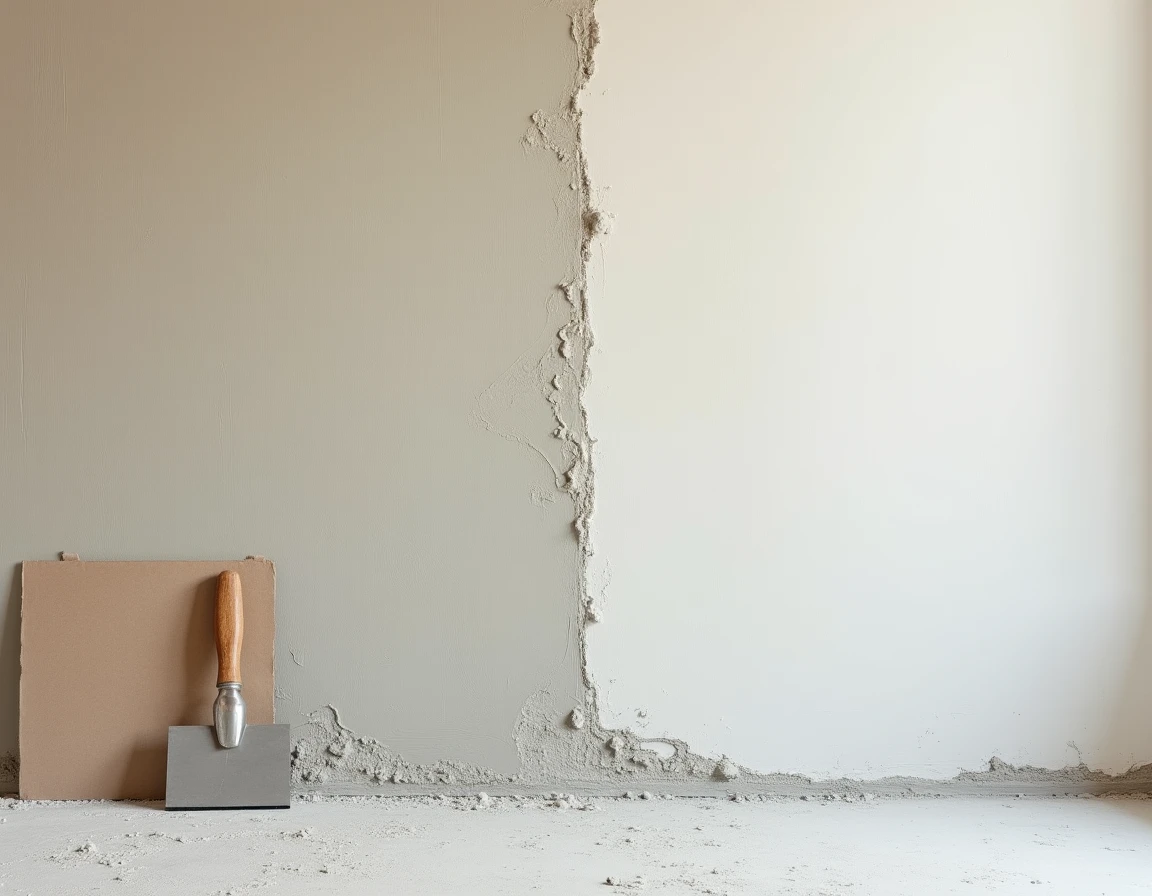
A wall in good condition requires only a simple dusting and a coat of smoothing compound. The project progresses quickly, and the cost remains contained. In contrast, a wall with cracks, holes, or an old coating to strip requires a complete skim coat, or even several layers of filler before applying the finishing coat. The preparation time can double the overall cost of the wall item.
Estimates rarely detail this mechanism. They display a price per square meter “supply and installation,” without distinguishing the preparation portion from the application portion. Requesting a separate breakdown of these two lines provides a more accurate view of what you are paying and allows you to compare prices for coating an interior wall from one artisan to another on an identical basis.
Filler, smoothing, or decorative coating: distinct prices and uses
The three types of interior coatings serve different functions, and their costs reflect this difference.
- The filler coating fills holes, grooves, and deep cracks. Its application is localized, focused on the defects. The product itself is inexpensive, but the labor depends on the number of repairs needed.
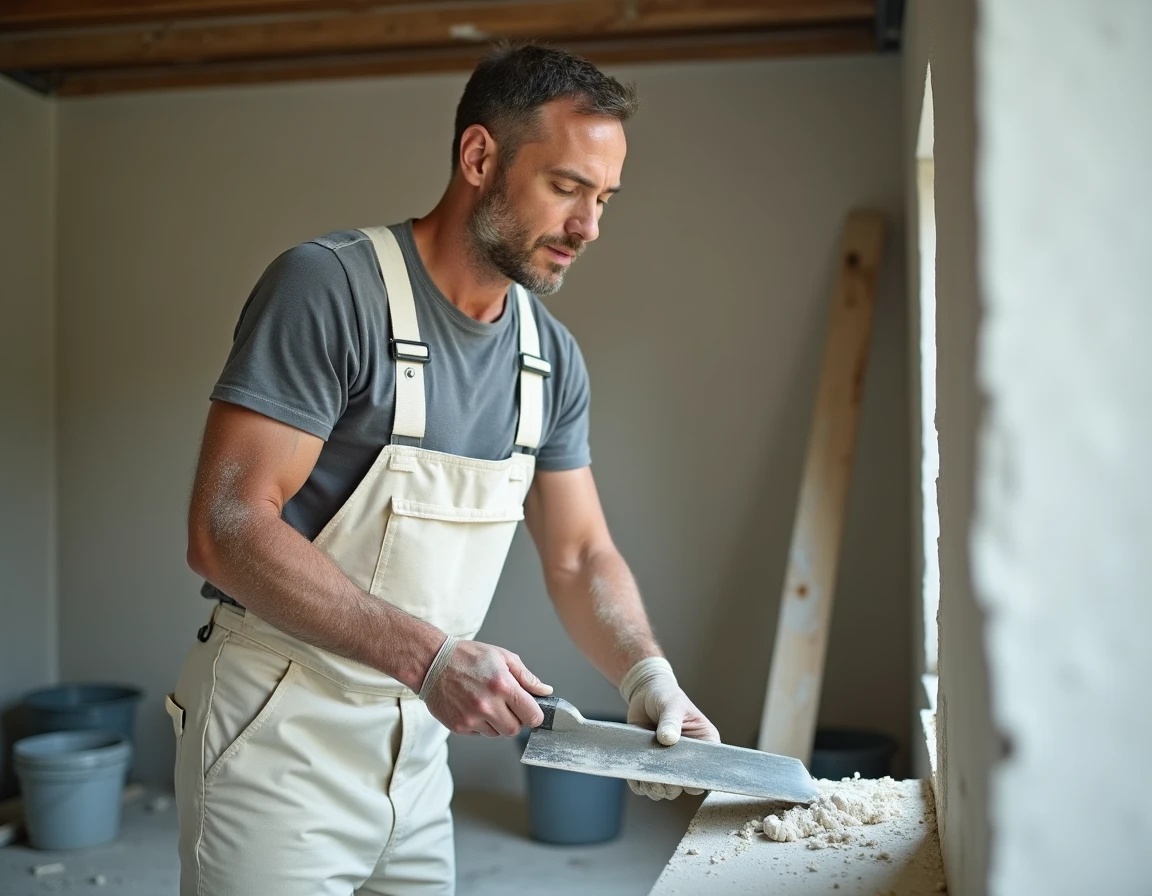
- The smoothing coating (or skim coat) levels the entire surface before painting. Applied in crossed passes over the entire wall, it requires a precise technical gesture. This is the most common item in interior renovation and the one that takes the most work hours.
- The decorative coating (stucco, tadelakt, polished concrete effect, lime) constitutes the visible finish. Its cost per square meter is significantly higher than the previous two, as the product is more expensive and the application requires specific expertise.
A complete project on a damaged wall often combines all three layers. On a new wall made of plasterboard, only the smoothing of the joints and a finishing coat are necessary. The number of layers dictates the final price much more than the choice of brand.
Healthy walls or degraded walls: two budget realities for coating
Price guides generally treat the wall as a neutral support. The reality on the ground shows a considerable cost difference depending on the initial condition.
Healthy and even wall
On a clean surface (new plasterboard, smooth poured concrete, old coating in good condition), preparation is limited to light sanding and dusting. The artisan applies the smoothing coating or decorative coating directly. The project progresses quickly, and the price per square meter remains in the lower range.
Damp or damaged wall
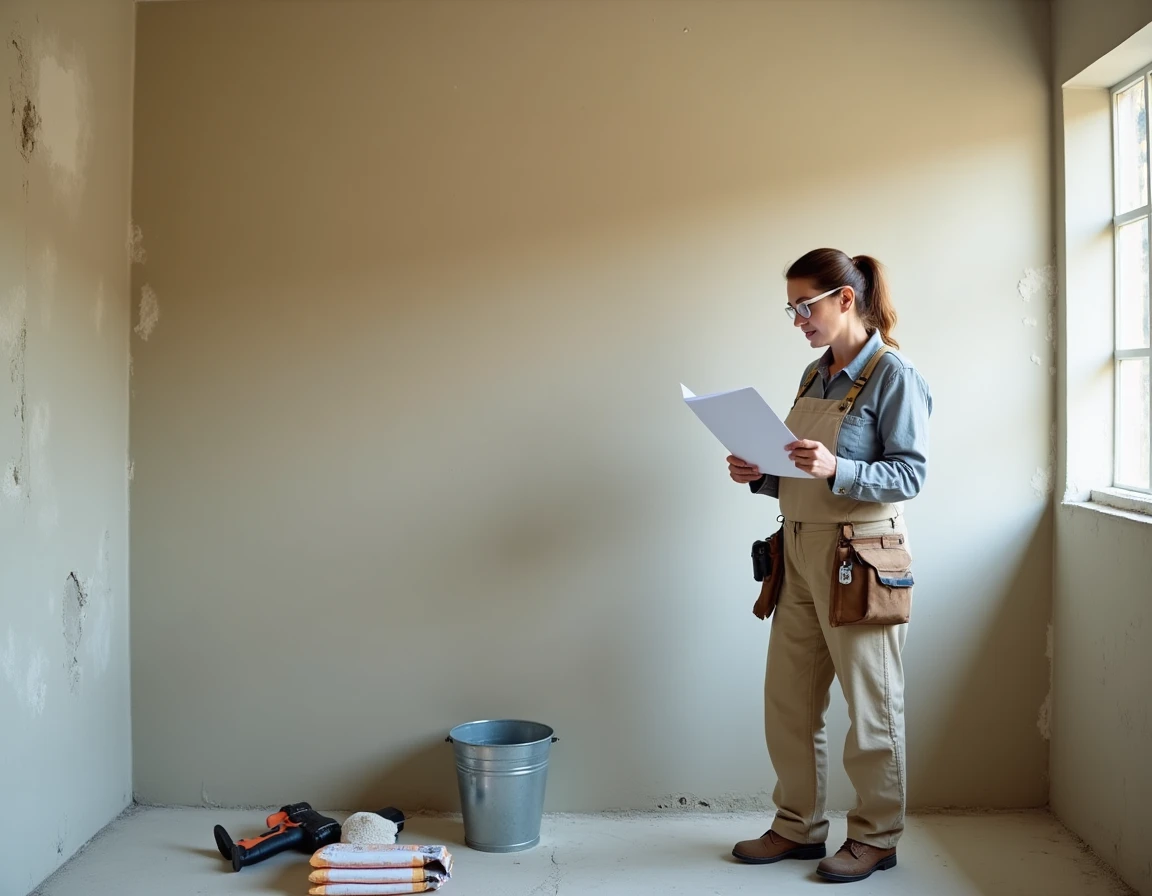
A wall affected by water damage, rising damp, or structural cracks requires prior treatment. Drying the surface, repairing the damaged areas, and applying a primer increase the volume of work. Construction professionals clearly distinguish the costs of restoration (drying, repair) from the finishing costs on healthy walls. Restoration after water damage falls into a significantly higher price range than a simple refresh.
Before requesting a coating estimate, diagnosing the source of visible dampness prevents paying twice: a first application that bubbles, followed by a complete redo after treatment.
Labor cost: what the hourly rate of the plasterer reflects
The price of a plasterer is not limited to their displayed hourly rate. Social charges, travel expenses, the cost of ten-year insurance, and the current pressure on the labor market in construction affect the final rate. This pressure on labor costs is generally not detailed in guides focused solely on the price of the product per square meter.
Two variables significantly affect labor costs:
- The total area of the project. A plasterer charges proportionally less per square meter on a large area, as the time for setup, floor protection, and cleaning remains the same.
- The accessibility of the walls. High ceilings, narrow stairwells, or cluttered rooms slow down the work. The artisan includes this additional cost in their estimate, sometimes under a line “access difficulties.”
Comparing estimates requires relating each offer to an identical area and complexity. A low rate on a simple wall says nothing about the actual price on a constrained project.
Choice of finish and impact on the overall painting and coating budget
The coating item does not exist in isolation. It is part of an overall budget that includes painting or the final covering. A well-done smoothing coating reduces the number of paint layers needed. Conversely, a poorly executed smoothing requires a thick primer followed by two finishing coats, which negates the savings made on the coating.
The choice of a decorative coating (stucco, lime, polished concrete) eliminates the painting item, but its own cost largely offsets this saving. A decorative coating costs several times the price of a standard smoothing followed by painting. The decision depends on the desired finish and the room in question: a tadelakt in a bathroom offers a waterproofing that paint alone cannot guarantee.
The realistic budget for an interior wall is therefore calculated by adding preparation, coating, and finishing, not by isolating any one of these items. Requesting a global “finished wall” estimate rather than a coating-only estimate provides a reliable basis for comparison between artisans.