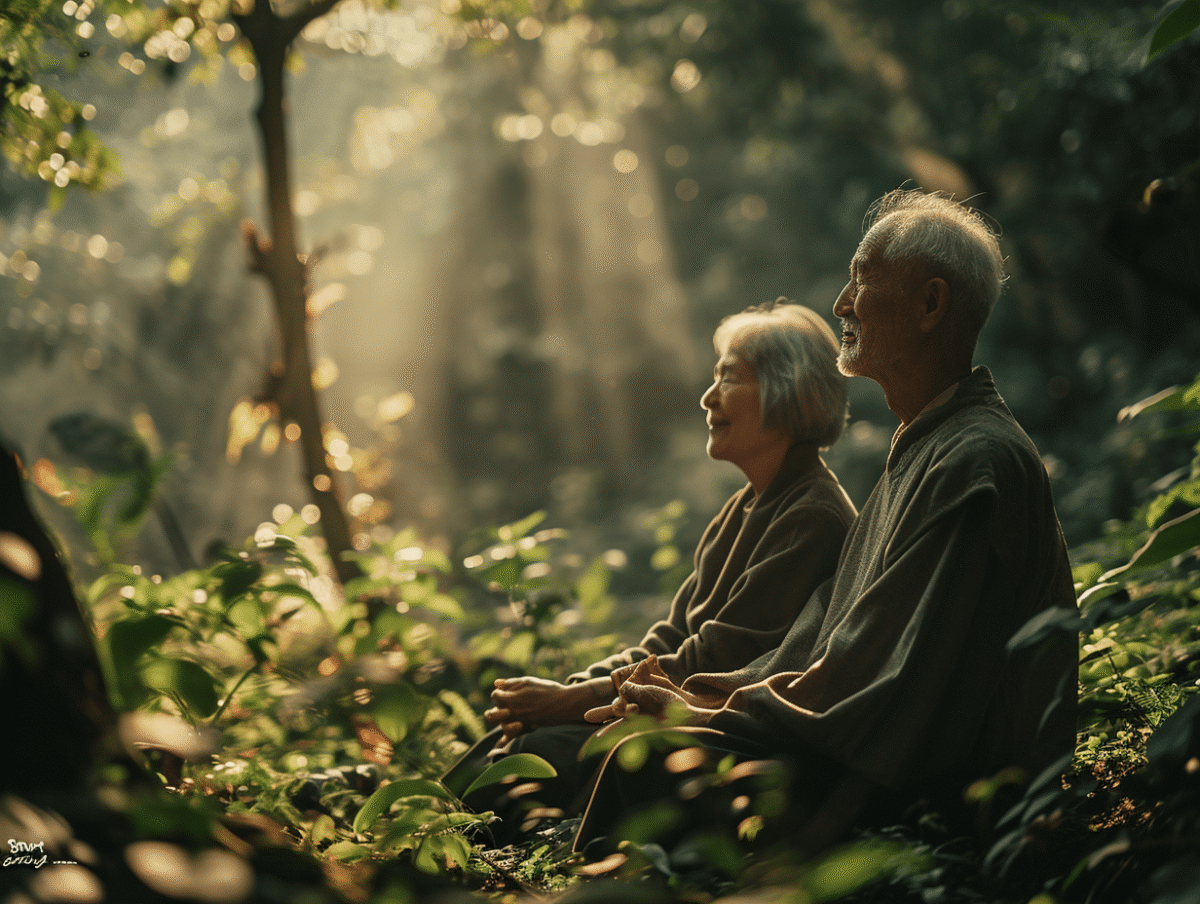
As the population ages, the search for strategies to maintain mental health and well-being becomes increasingly important. Seniors often face unique challenges, including managing chronic pain, sleep disturbances, and heightened stress related to the loss of loved ones or lifestyle changes. In this context, meditation emerges as a beneficial practice, offering a pathway to a better quality of life. This ancient technique, which promotes relaxation and mindfulness, is recognized for its positive effects on both mind and body, making its practice particularly appealing for the well-being of seniors.
Improving Seniors’ Quality of Life Through Meditation
Meditation, a centuries-old practice and pillar of serenity, proves to be a valuable tool for the well-being and mental health of seniors. Studies increasingly support that meditation significantly improves the quality of life for our elders. Indeed, in addition to its positive influence on longevity, meditation helps reduce isolation, which is often prevalent in this age group. Specific programs, such as those offered by Le Club des Seniors, integrate meditation into the daily lives of seniors, thereby fostering social contact and the sharing of common experiences.
In the fight against neurodegenerative diseases, meditation proves to be a formidable ally. It slows the progression of Alzheimer’s disease and stimulates memory as well as mood. Family caregivers also benefit from these practices, finding support in managing stress and burnout related to their caregiving role. The effects of meditation on the brain are well-documented: an increase in activity in the anterior cingulate cortex and the insula, areas associated with emotional regulation and self-awareness, has been observed, suggesting an enhanced release of beneficial hormones and neurotransmitters.
The integration of meditation into the daily lives of seniors is now done with ease. Nursing homes, aware of its virtues, teach various meditation techniques, ranging from transcendental meditation to mindfulness meditation, including more specific forms such as sound meditation or Vipassana. Each method offers unique benefits, thus catering to individual needs and preferences.
In the face of the digitalization of our societies, meditation apps such as Petit BamBou or Wivy simplify access to this ancient practice, providing an entry point to relaxation and guided meditation.

Integration and Adaptation of Meditation in Seniors’ Daily Lives
In care facilities for the elderly, such as nursing homes, meditation serves as a true vector of health. The teaching of varied meditation techniques is becoming democratized, responding to the diversity of profiles and needs. The caregiving staff, trained in different approaches, provides these teachings, sometimes supported by qualified external facilitators. The integration of this discipline into the residents’ program not only promotes their well-being but also contributes to creating a community and calming environment.
The meditation techniques offered are diverse and adapted to the physical and mental capabilities of seniors. From transcendental meditation, which aims to transcend the mind beyond the level of thought, to mindfulness meditation, which anchors the individual in the present moment, each method has its purpose. Other forms, such as sound meditation, Vipassana meditation, Zazen, or Metta meditation, also present themselves as pathways to balance and inner harmony.
The digital world is not left behind and stands as a partner in this meditative expansion. Dedicated apps like Petit BamBou or Wivy facilitate seniors’ access to meditation. These platforms offer guided meditation sessions tailored to the specific needs of this population, with intuitive and reassuring user interfaces. They thus allow for autonomous practice, in complete safety, and a gentle introduction to the benefits of meditation at home or in groups.
The adoption of meditation by seniors transcends age and mobility barriers. Whether in group sessions or through digital supports, this practice opens up a space for them to manage stress, improve concentration, and maintain social connections. Meditation thus becomes a cornerstone in preserving the autonomy and vitality of seniors, establishing itself as an essential element in the continuous improvement of their quality of life.