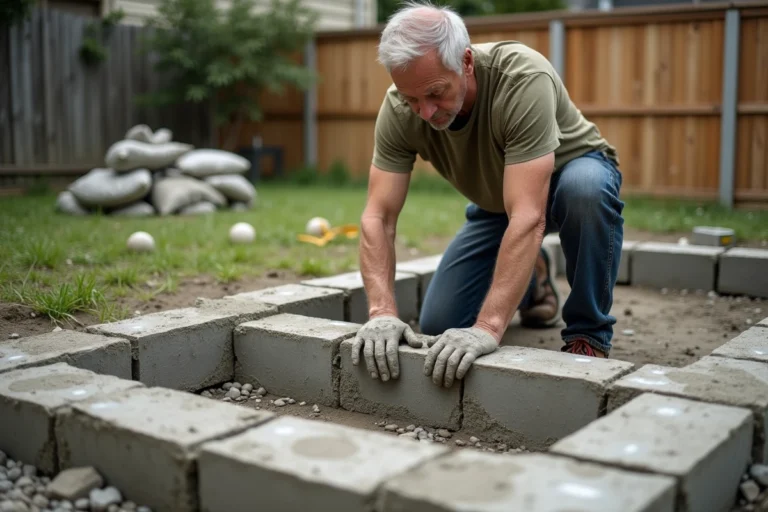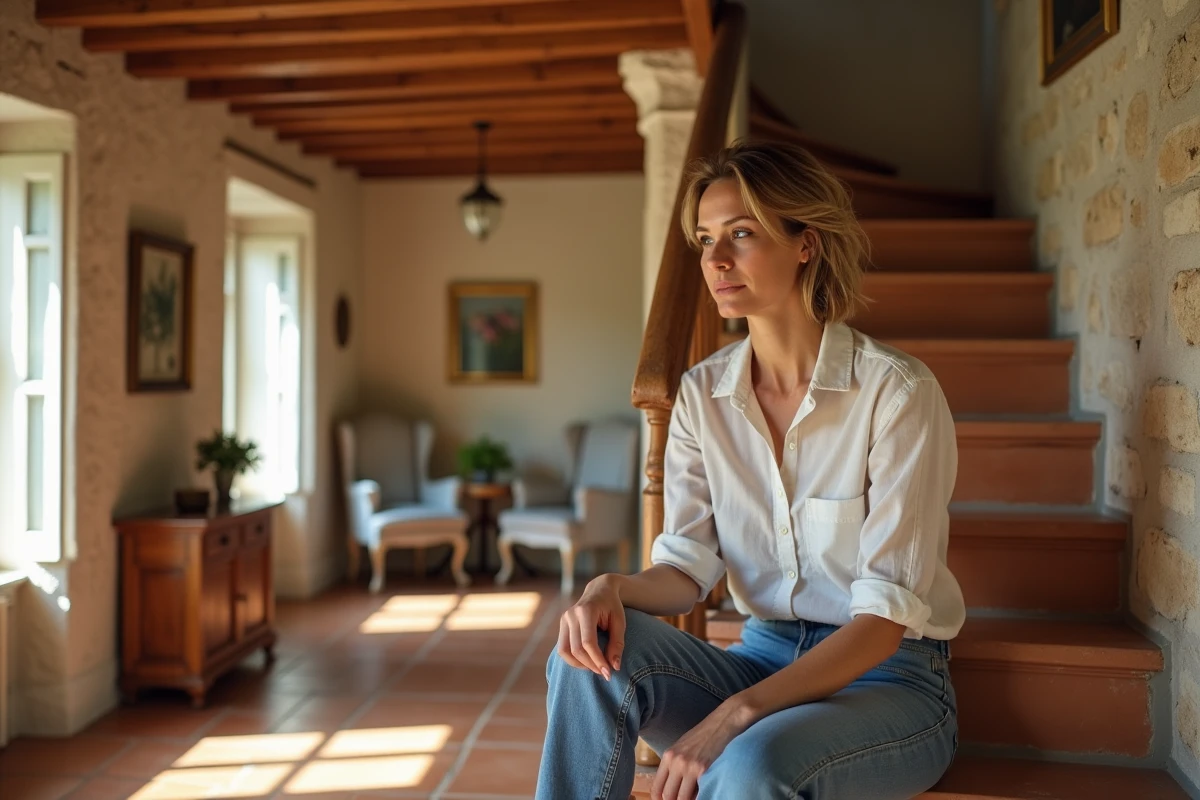
The irregular layout of the tiles in certain contemporary projects contradicts the tradition of aligned joints. Architects are now choosing brushed travertine finishes, once reserved for the outdoors, for indoor living spaces. Thermal regulations indirectly influence the popularity of these mineral floors, due to their inertia suitable for underfloor heating.
Travertine imports have doubled in France in less than ten years, while handmade tiles are still produced in fewer than five major workshops. The choice between these two materials now comes with evolving sustainable and aesthetic criteria.
Tiles and travertine: why are these materials still so appealing?
In recent years, tiles and travertine have made their way into the most cutting-edge renovation projects, far from the fixed image of heritage. They do not merely decorate: they assert a lifestyle, a way of living, where authenticity takes precedence over standardization. The handmade tile carries the imprint of artisanal craftsmanship. It recalls those floors that span generations, where each tile tells a story of a journey taken. Travertine, on the other hand, showcases its natural hues and delicate veining, giving each room a sobriety full of character, whether in a contemporary bathroom or beneath a family table.
Behind this renewed interest lies more than just a trend. These tiles combine durability and ease of maintenance. They withstand the years, repeated foot traffic, and the everyday wear and tear without faltering. Their installation, demanding, requires skill and precision, but the result transcends the mere function of flooring.
Here are some uses that illustrate their versatility:
- Flooring in the kitchen or living room, where foot traffic is heavy,
- Terracotta tiles for a warm atmosphere,
- Travertine in Roman opus for a graphic style in the bathroom.
Whether one prefers the stone effect or terracotta, these materials resonate with those who want to preserve the soul of their home. For more information on Google Plus, the file “Choosing tiles and travertine for your interior design – Google Plus” offers an overview of successful uses and combinations. Choosing these materials is to assert a signature, to embed one’s interior in longevity, far from fleeting trends.
What trends and associations for an authentic and contemporary interior?
The careful play of materials transforms each space into a unique decor. Tiles, in their shades of red or ochre, assert themselves in both living areas and open kitchens. Their warm color echoes solid wood, linen, or black steel, creating a harmonious and current ensemble. Travertine finds its place in the bathroom, dining room, or a bright hallway: its soft and mineral appearance naturally harmonizes with white walls, plants, or minimalist furniture.
Current trends play the card of controlled contrast. Stone-effect tiles pair with graphic cement tiles; the tile, in turn, dialogues with zellige or large-format stoneware for compositions that challenge conventions. Antique paving, whether laid in Roman opus or incertum, energizes the space from the entrance or in the living room.
Some inspiring examples:
- In the kitchen, tiles and wood combine tradition and modernity for a revisited country style,
- In the living room, travertine pairs perfectly with contemporary furniture and natural light,
- Cabochons or patterns in cement tiles infuse a Mediterranean touch.
In each room, the choice between stone-effect tiles and terracotta shapes a unique atmosphere, balancing heritage and innovation. Far from standardized decors, these floors reveal a personality, driven by the nobility of materials and the appropriateness of combinations.
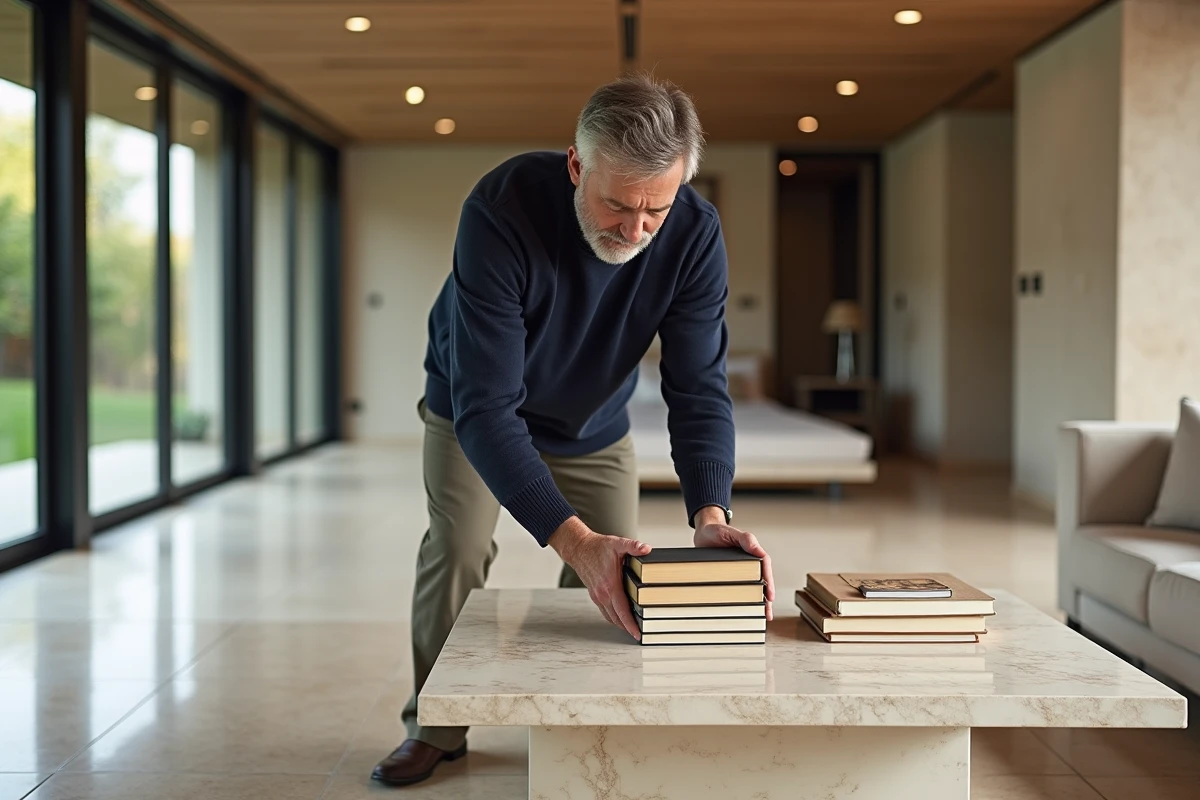
Practical tips for successfully renovating or installing these iconic tiles
The final result largely depends on the selection of the material. Opting for reclaimed antique tiles preserves the charm of the past; choosing calibrated travertine aims for consistency and elegance. Preparing the substrate remains a key step: a well-leveled floor ensures the longevity of the covering. The DTU and UPEC standards guide the choice, especially for areas exposed to heavy foot traffic or moisture.
The type of installation profoundly influences the ambiance. Roman opus and opus incertum enhance the richness of travertine; hexagonal tiles structure the space from the entrance. To revive an old tile floor, meticulous cleaning is essential: terracotta requires a water-repellent treatment, while the grouting should remain discreet to preserve the overall aesthetic.
Some precautions facilitate the success of the whole:
- Installing stone-effect tiles on a fresh screed improves adhesion,
- Installing surface protection in humid areas like the bathroom or kitchen,
- Gently maintaining, avoiding abrasive products, to preserve the original appearance.
Renovating or installing tiles and travertine requires patience and precision: each tile carries a story, each joint highlights the artisanal work. Careful installation honors the material and reveals the richness of these timeless floors. In the end, it is the spirit of a home that is transformed, and the floor beneath your feet will never have had so much character.