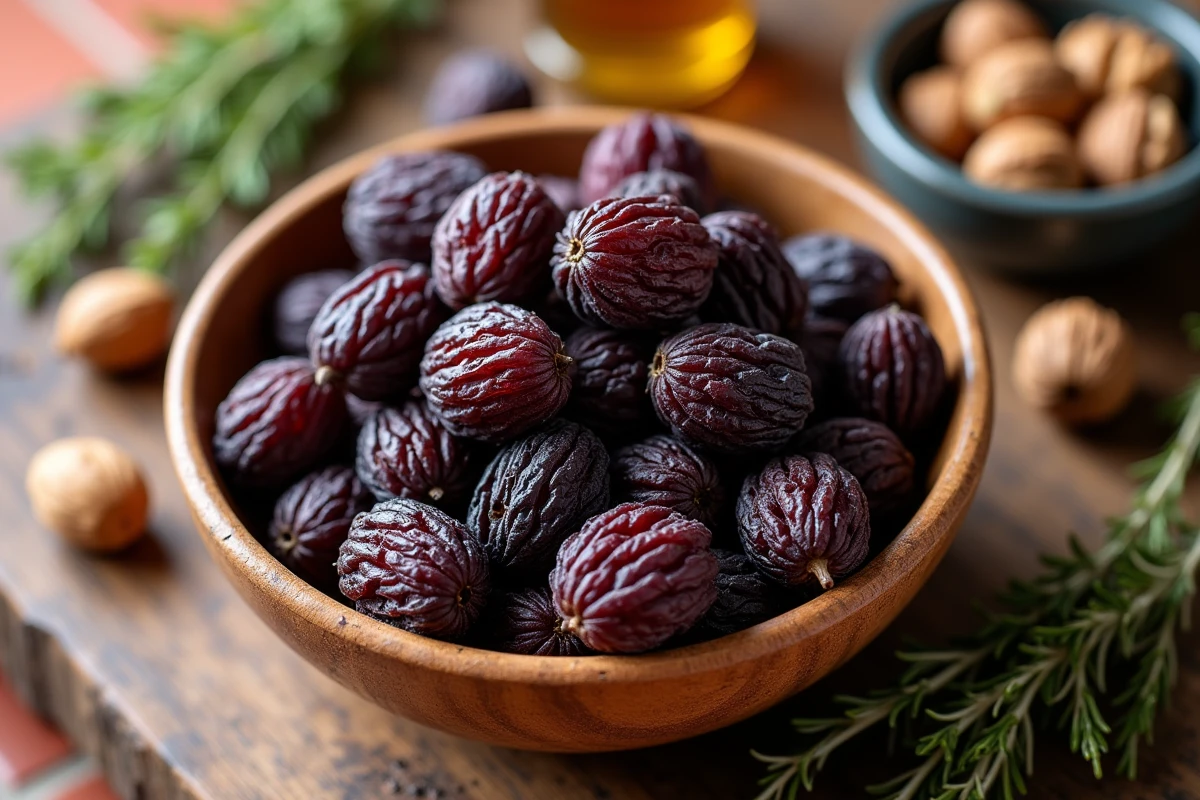
The Agen prune is not just an ordinary dried fruit. Its composition of soluble and insoluble fibers, sorbitol, and polyphenols makes it a food with a rare functional profile, whose effects go far beyond intestinal transit.
Gut-Bone Axis: The Prune as a Key Food for the Microbiome
Most nutritional sheets reduce the prune to its laxative effect. Recent clinical studies on postmenopausal women show a much broader picture: a daily consumption of prunes modulates the intestinal microbiome by increasing certain beneficial bacteria while decreasing markers of bone inflammation.
This gut-bone link repositions the prune within a framework of preventing the loss of bone mineral density. The fruit’s polyphenols, once fermented by colon bacteria, produce metabolites that act on bone remodeling. Therefore, the effect is not limited to digestive comfort.
We recommend considering the prune as a natural dietary supplement in any post-menopausal bone health strategy, alongside an adequate calcium intake. Exploring the health benefits of prunes helps to better understand this nutritional versatility.

Satiation and Weight Management: Why Prunes Work Despite Their Caloric Density
The prune has a caloric reputation that can be discouraging. This is a misinterpretation. Its combination of soluble fibers, sorbitol, and prolonged chewing significantly increases satiety, which largely compensates for its raw energy intake.
Three to five prunes consumed as a snack are enough to curb hunger for several hours. The indigestible fibers stay longer in the stomach, delaying gastric emptying. Sorbitol, on the other hand, attracts water into the intestinal tract, contributing to the bulk of the food bolus.
In a weight control context, the prune is a better alternative to ultra-processed protein bars. The key remains the quantity: beyond five prunes a day, the intake of simple sugars becomes counterproductive.
Prunes and Polyphenols: Photo-Oxidative Protection for the Skin
The anthocyanins and polyphenols in prunes benefit not only the gut. Some medical literature details their protective role against skin photo-oxidative stress. These compounds neutralize some of the free radicals generated by UV exposure.
This is not a sunscreen, but an endogenous supplement. The interest lies in the regularity of consumption rather than in a one-time dose. A moderate daily intake helps maintain the circulating antioxidant pool.
When to Consume Prunes for Optimal Digestive Benefit
The timing of intake directly influences the effectiveness of prunes on transit. In the evening, before bed, remains the most relevant time: nocturnal peristalsis combined with the action of sorbitol and fibers promotes regular morning evacuation.
As an afternoon snack, the prune plays more on satiety and glycemic stabilization. In the morning on an empty stomach, the laxative effect may be too rapid for individuals with already sensitive transit.
We observe that this notion of food chronobiology applied to prunes is largely absent from general sheets, while it conditions a good part of the perceived results.
Savory Recipes with Prunes: Three Combinations to Master
Prunes in cooking are not limited to far breton. Their sweet-tart notes integrate into savory dishes with a contrast logic that enhances stewed meats and root vegetables.
- The lamb tagine with prunes utilizes long cooking to melt the fruit into the sauce. Add the prunes in the last twenty minutes so they retain a soft texture without disintegrating.
- The pork skewers with prunes alternate pieces of meat and pitted prunes wrapped in bacon. Caramelization on the grill creates a sweet-salty crust that concentrates the flavors.
- In an autumn salad, the prune cut in half accompanies fresh goat cheese, walnuts, and a sherry vinegar dressing. The prune adds softness and depth against the acidity of the cheese.
Prunes in Pastry: Beyond Far Breton
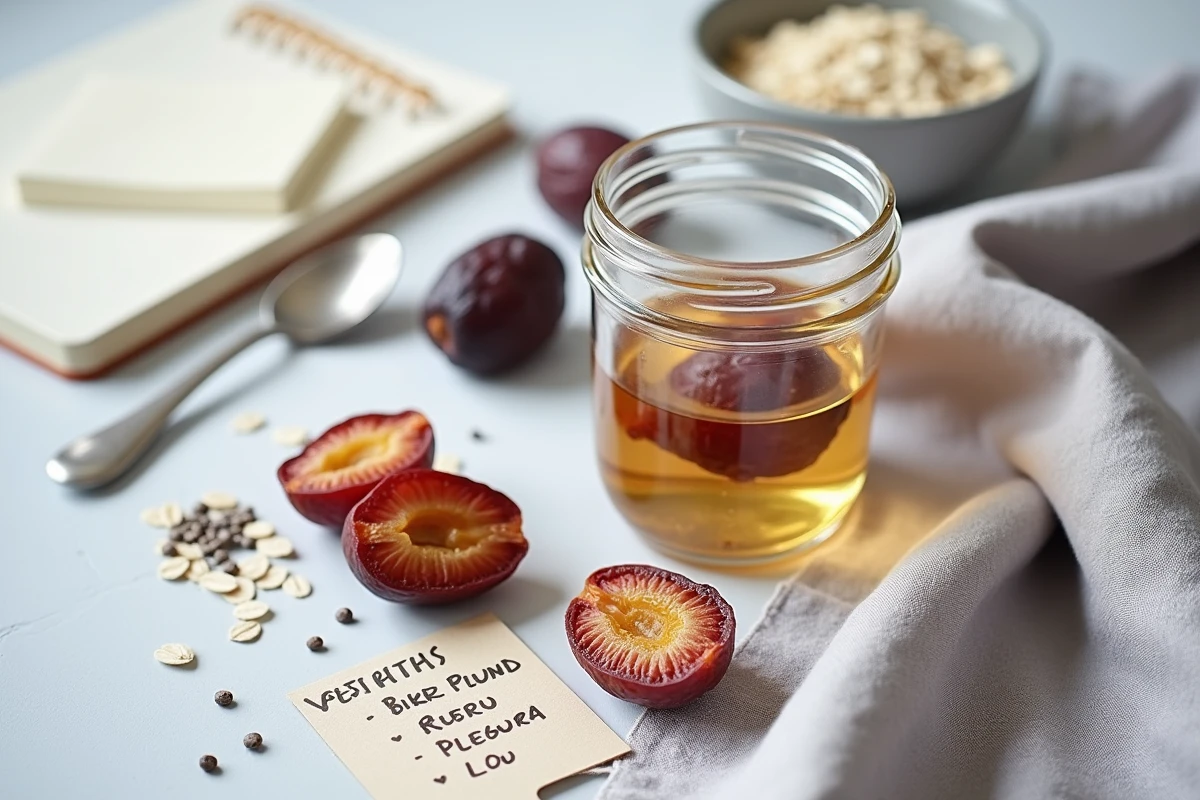
Far breton remains a classic, but the prune deserves other bases. Incorporated into a cake batter with Earl Grey tea, it develops complex aromas. In an apple crumble, a few chopped prunes add a density of flavor that the apple alone does not provide.
For preparations intended for young children, cooked and blended prunes with infant milk make a naturally sweet puree, without added sugar. The creamy texture obtained is suitable for early food diversification.
Varieties of Plums and the Quality of Agen Prunes
Not all prunes are created equal. The Agen prune comes exclusively from the Ente plum variety, a specific cultivar from the South-West of France. This variety has a sugar-acid ratio that allows for natural drying without the addition of preservatives.
Imported prunes, often from other varieties, undergo treatments with potassium sorbate to extend shelf life. Reading the label remains the only reliable way to distinguish an authentic Agen prune from a requalified imported product.
The size of the prune also influences the mouthfeel: larger sizes, which are more fleshy, are suitable for savory recipes, while smaller sizes, which are more concentrated in flavor, work better in pastries or as snacks.
The prune deserves a regular place in the diet, well beyond the constipation reflex. Its nutritional profile, documented effects on the microbiome and bone health, and versatility in cooking make it a truly unique dried fruit, provided that quantities are respected and the right variety is chosen.