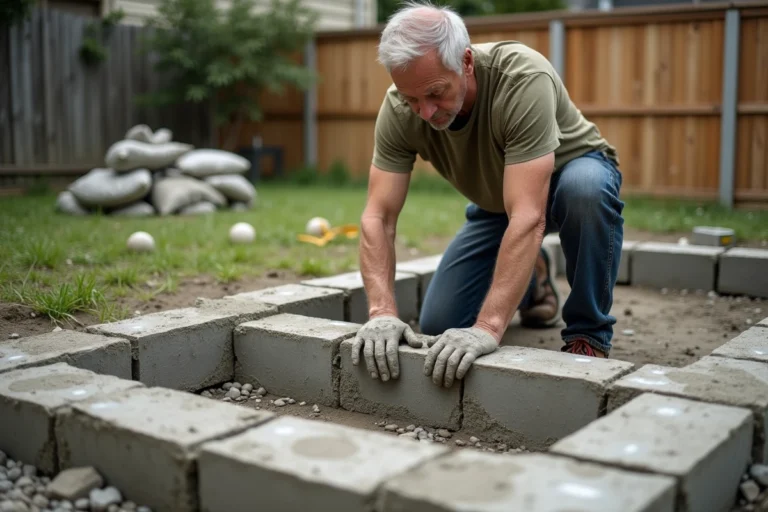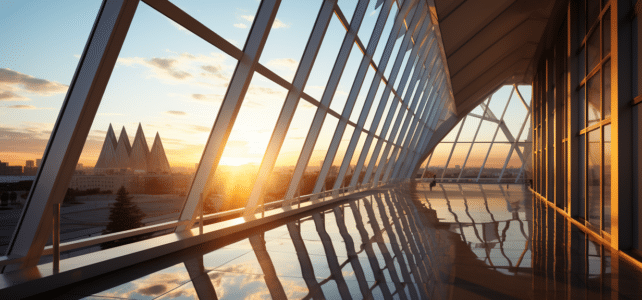
Architecture, a field where creativity meets technical rigor, is essential for creating spaces that meet functional needs while inspiring wonder. Each building is the result of a careful blend of key elements that ensure its stability, utility, and aesthetics. From robust foundations to load-bearing structures, through innovative materials and sustainable energy systems, these components are at the heart of every construction project. A careful study of these elements allows for an understanding of their fundamental role in designing spaces that defy time and captivate the eye.
The Foundations of Modern Architecture
The project owner, the client of the construction or renovation project, is the cornerstone of any modern building. They engage an architecture firm, an entity responsible for materializing their vision while respecting technical and budgetary constraints. The relationship between these two entities largely determines the success of the project. The architecture firm, with the architect at the helm, orchestrates all the work, from the initial sketches to the final delivery.
After the sketch studies (ESQ), the consultation file for companies (DCE) is created to select the most suitable participants for the work. This step is fundamental as it defines the contours of the construction, including the famous ‘rejingot’, a technical term designating a masonry element that prevents water infiltration. The DCE is the script that guides each actor of the project, ensuring the coherence and quality of the work.
The site supervision, carried out by the architect, is a symphony of rigor and precision where every measurement and decision counts. This process includes the site installation plan (PIC), developed to organize the flows on the site and ensure safety as well as the smoothness of operations. The site meetings, key moments of this supervision, allow for monitoring progress and compliance of the work. They produce site reports, essential documents for tracking the evolution of the project and anticipating necessary adjustments.
The assistance with reception operations (AOR) marks the final step before the work is delivered to the project owner. This verification phase scrutinizes every detail to ensure that the building meets expectations and fulfills the promised durability criteria. It is the climax where legal guarantees take effect, sealing the pact between the architect, the participants, and the project owner around the completed work.
Innovative Materials and Techniques in Architecture
In the quest for sustainable architecture, eco-friendly materials take center stage. Committed to an environmentally respectful approach, architects and project owners favor materials with a low environmental impact. Raw earth, for example, is making a notable comeback on construction sites, offering a healthy and efficient alternative to manufactured products.
The advent of bioclimatic and passive houses illustrates a strategic shift in construction projects. These homes, designed to exploit local climatic conditions, minimize the use of non-renewable energies through optimized insulation and thoughtful orientation. These strategies significantly reduce the carbon footprint of buildings and promise a healthy habitat for its occupants.
On the side of innovative techniques, the integration of renewable energy systems such as solar panels or domestic wind turbines has become commonplace. Green roofs, in addition to providing undeniable aesthetic appeal, contribute to thermal insulation and rainwater management, essential elements of sustainable construction.
Digital modeling, through the use of BIM (Building Information Modeling), is revolutionizing the working methods of architects. This technology allows for the creation of intelligent 3D digital models, facilitating collaboration among different trades and ensuring optimized management of the building’s life cycle. Thanks to these innovations, architecture is reinventing itself, placing sustainability and efficiency at the heart of its priorities.